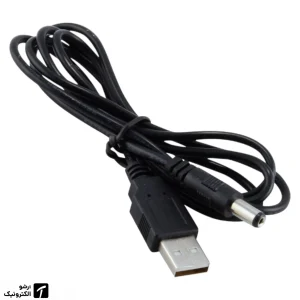
کابلها و رابطهای الکترونیکی: راهنمای جامع
کابلها و رابطهای الکترونیکی جزء اساسی در دنیای تکنولوژی و ارتباطات هستند. این ابزارها نه تنها برای انتقال داده و انرژی استفاده میشوند، بلکه نقشی کلیدی در عملکرد صحیح تجهیزات الکترونیکی ایفا میکنند. این مقاله به بررسی انواع کابلها، رابطها، کاربردها و اهمیت آنها در صنعت الکترونیک میپردازد.
اهمیت کابلها و رابطهای الکترونیکی
کابلها و رابطهای الکترونیکی بخش جداییناپذیر از تجهیزات الکترونیکی هستند. بدون کابلها و رابطها، امکان اتصال و انتقال اطلاعات بین دستگاهها وجود نخواهد داشت. در واقع، این ابزارها ستون فقرات ارتباطات الکترونیکی مدرن محسوب میشوند و نقش حیاتی در کارکرد صحیح سیستمها دارند.
انواع کابلها و رابطهای الکترونیکی
کابلها و رابطها در اشکال و انواع مختلفی تولید میشوند که هرکدام کاربرد خاصی دارند. برخی از مهمترین دستهبندیها عبارتند از:
1. کابلهای قدرت
این کابلها برای انتقال انرژی برق به دستگاهها استفاده میشوند. از کابلهای معمولی خانگی گرفته تا کابلهای صنعتی سنگین، تنوع زیادی در این دسته وجود دارد.
2. کابلهای داده
کابلهای داده برای انتقال اطلاعات بین دستگاهها طراحی شدهاند. از جمله کابلهای USB، HDMI، و Ethernet که در دستگاههای روزمره استفاده میشوند.
3. رابطهای صوتی و تصویری
این کابلها شامل انواع کابلهای AUX، RCA و کابلهای مخصوص انتقال تصویر هستند که برای اتصال دستگاههای صوتی و تصویری مورد استفاده قرار میگیرند.
4. کابلهای شبکه
این کابلها شامل کابلهای LAN و فیبر نوری هستند که برای ایجاد ارتباط اینترنتی و شبکهای بین دستگاهها کاربرد دارند.
5. رابطهای خاص
رابطهایی مانند کانکتورهای صنعتی یا کابلهای خاصی که برای کاربردهای خاصی مثل پزشکی یا نظامی طراحی شدهاند.
کاربرد کابلها و رابطها
کابلها و رابطهای الکترونیکی در حوزههای مختلفی استفاده میشوند:
- تجهیزات خانگی: از تلویزیون و کامپیوتر گرفته تا شارژرهای گوشی.
- صنعتی: برای انتقال داده و انرژی در ماشینآلات و خطوط تولید.
- ارتباطات: در زیرساختهای شبکهای مانند اینترنت و ارتباطات مخابراتی.
- پزشکی: برای اتصال تجهیزات پیشرفته مانند مانیتورهای پزشکی و دستگاههای تصویربرداری.
نکات مهم در انتخاب کابلها و رابطهای الکترونیکی
انتخاب کابلها و رابطها یکی از مهمترین تصمیمات در طراحی یا نگهداری سیستمهای الکترونیکی است. برای انتخاب مناسب باید به این نکات توجه کرد:
- کیفیت مواد: کابلها و رابطها باید از مواد مقاوم و باکیفیت ساخته شده باشند.
- نوع کاربری: مطمئن شوید که کابل انتخابی با نیازهای شما هماهنگ است.
- طول مناسب: طول کابل میتواند روی کارایی و راحتی استفاده تأثیر بگذارد.
- استانداردهای جهانی: برای عملکرد بهتر، از کابلهایی با استانداردهای بینالمللی استفاده کنید.
آینده کابلها و رابطهای الکترونیکی
با پیشرفت فناوری، کابلها و رابطها نیز در حال تغییر هستند. نسل جدید کابلهای الکترونیکی با ویژگیهایی مثل سرعت بالاتر، مقاومت بهتر و سازگاری با فناوریهای پیشرفته وارد بازار شدهاند. به عنوان مثال:
- کابلهای USB-C که سرعت انتقال داده و شارژ را بهبود بخشیدهاند.
- کابلهای فیبر نوری با ظرفیت بالا برای ارتباطات اینترنتی پیشرفته.
- رابطهای بیسیم که نیاز به کابلها را کاهش میدهند.
نتیجهگیری
کابلها و رابطهای الکترونیکی بخش مهمی از دنیای ارتباطات و فناوری هستند. این ابزارها نقش حیاتی در انتقال انرژی و داده دارند و بدون آنها عملکرد بسیاری از دستگاهها غیرممکن خواهد بود. با انتخاب کابلها و رابطهای باکیفیت، میتوانید کارایی سیستم خود را افزایش دهید و از عمر طولانیتر تجهیزات خود لذت ببرید.
Electronic Cables and Connectors: A Comprehensive Guide
Cables and electronic connectors are fundamental components in the world of technology and communication. These tools are not only used for data and power transmission but also play a critical role in the proper functioning of electronic devices. This article delves into the types of cables, connectors, their applications, and their importance in the electronics industry.
The Importance of Cables and Electronic Connectors
Cables and connectors are indispensable parts of electronic equipment. Without them, it would be impossible to establish connections and transfer information between devices. Essentially, these tools are the backbone of modern electronic communication and have a vital role in ensuring system functionality.
Types of Electronic Cables and Connectors
Cables and connectors come in various shapes and types, each tailored for specific applications. Some of the main categories include:
1. Power Cables
These cables are used to transmit electrical power to devices. They range from standard household cables to heavy-duty industrial cables.
2. Data Cables
Data cables are designed for transferring information between devices. Examples include USB cables, HDMI cables, and Ethernet cables commonly used in everyday devices.
3. Audio and Video Connectors
These include AUX cables, RCA cables, and specialized video transmission cables used for connecting audio-visual devices.
4. Network Cables
This category includes LAN cables and fiber optic cables, which are essential for establishing internet and network connections between devices.
5. Specialized Connectors
These include industrial-grade connectors or custom cables designed for specific applications such as medical or military uses.
Applications of Cables and Connectors
Cables and connectors are utilized across various fields, including:
- Household Devices: For televisions, computers, and phone chargers.
- Industrial Use: To transfer data and power in machinery and production lines.
- Communications: In network infrastructures like the internet and telecommunications.
- Medical Equipment: For connecting advanced medical monitors and imaging devices.
Important Points to Consider When Choosing Cables and Connectors
Selecting the right cables and connectors is critical in designing or maintaining electronic systems. Consider the following factors:
- Material Quality: Cables and connectors should be made of durable and high-quality materials.
- Application Type: Ensure that the chosen cable meets your specific needs.
- Appropriate Length: Cable length can impact usability and performance.
- Global Standards: Opt for cables with international standards for better performance.
The Future of Electronic Cables and Connectors
With advancing technology, cables and connectors are also evolving. A new generation of electronic cables featuring higher speeds, improved durability, and compatibility with cutting-edge technologies is entering the market. Examples include:
- USB-C cables that enhance data transfer and charging speeds.
- High-capacity fiber optic cables for advanced internet communications.
- Wireless connectors that reduce dependency on physical cables.
Conclusion
Cables and electronic connectors are vital components in the world of technology and communication. These tools play a crucial role in transferring power and data, and without them, many devices would not function. By choosing high-quality cables and connectors, you can enhance system efficiency and enjoy longer equipment lifespans.